
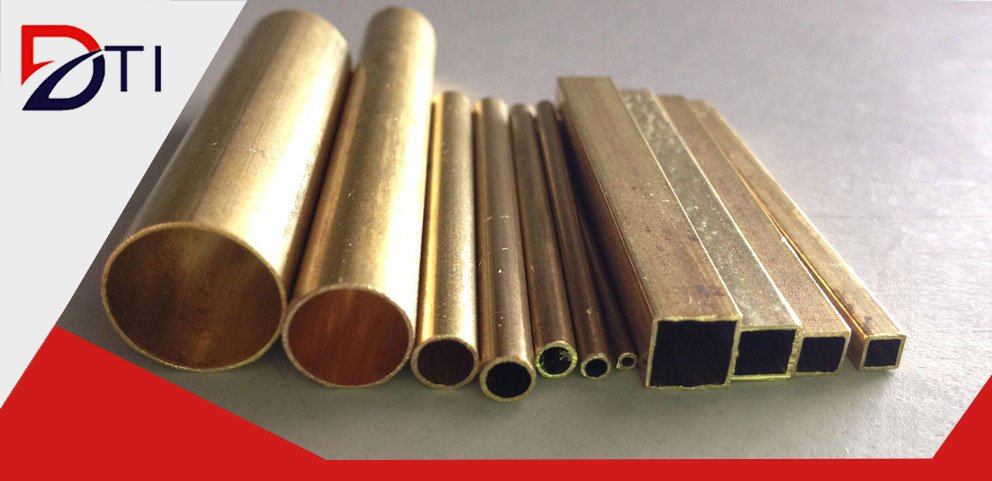
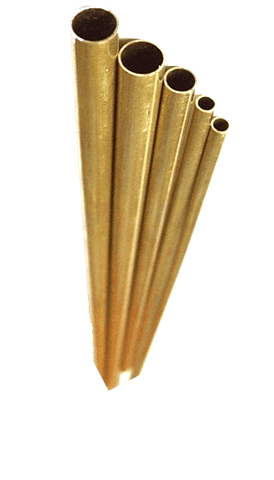
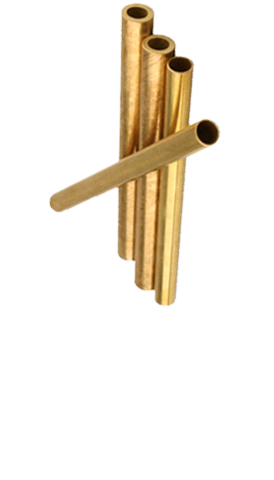
63/37 Brass (UNS C27400) Tubes to ASTM B135
63/37 brass, also called yellow brass or common brass (UNS C27400), is a copper-zinc alloy with about 63% copper and 37% zinc. The high zinc content gives good strength, while the alloy remains easy to bend, form and machine, which makes it an economical choice for general engineering.
Properties and Uses of 63/37 Brass Tubes
63/37 brass has good corrosion resistance in the atmosphere and in fresh water, good electrical and thermal conductivity, and excellent cold workability.
Where not to use it: 63/37 brass is not recommended for seawater, brackish water or ammonia-bearing service, where it is prone to dezincification and stress-corrosion cracking. For those conditions choose Admiralty brass, aluminium brass or 90/10 cupro-nickel.
Testing, Documentation and Packaging
Every lot of 63/37 Brass tubes is inspected before dispatch. Typical tests include chemical analysis / PMI, tensile and hardness testing, flaring and flattening tests, hydrostatic or eddy-current testing, and dimensional inspection. Third-party inspection can be arranged on request.
Material is supplied with a mill test certificate to EN 10204 3.1, together with the raw-material report and inspection reports. For export orders it is wrapped in poly bags and packed in fumigated wooden cases, crates or pallets, with a fumigation certificate included.

Chemical Composition
Mechanical Properties
Available Forms
Applications of 63/37 Brass Tubes